Improve the operating system beneath the software.
INFOC connects standard business processes, Microsoft platforms, governed data, secure cloud and practical AI. Every solution is defined by the outcome it must produce, the technology that sustains it, and the capability required to run it.

BUYER ROUTING
Start from the operating constraint
Most buyers arrive naming a product. Start with what is blocked instead.
Business Applications + Business Central
Standardise finance, controls, purchasing, billing and period close on a governed ERP foundation.
Explore this solutionSOLUTION PORTFOLIO
Precise scope, explicit outcomes, connected technology
Four families, one connected operating model. Each has a specific job.
Business Applications
Business Central for standard finance and operations; Dynamics 365 Customer Engagement for sales and service; Power Platform for workflow and controlled extension.
ExploreData, Analytics & AI
Data strategy, Microsoft Fabric, semantic models, Power BI, Copilot Studio, Microsoft Foundry, agent evaluation and governed deployment.
ExploreCloud, Modern Work & Security
Azure and Microsoft 365 with Entra, Defender and Purview, covering endpoint, resilience, cost and Copilot readiness.
ExploreManaged Services
Application support, cloud operations, monitoring, security, data-platform operations, AgentOps, adoption and continuous improvement.
Explore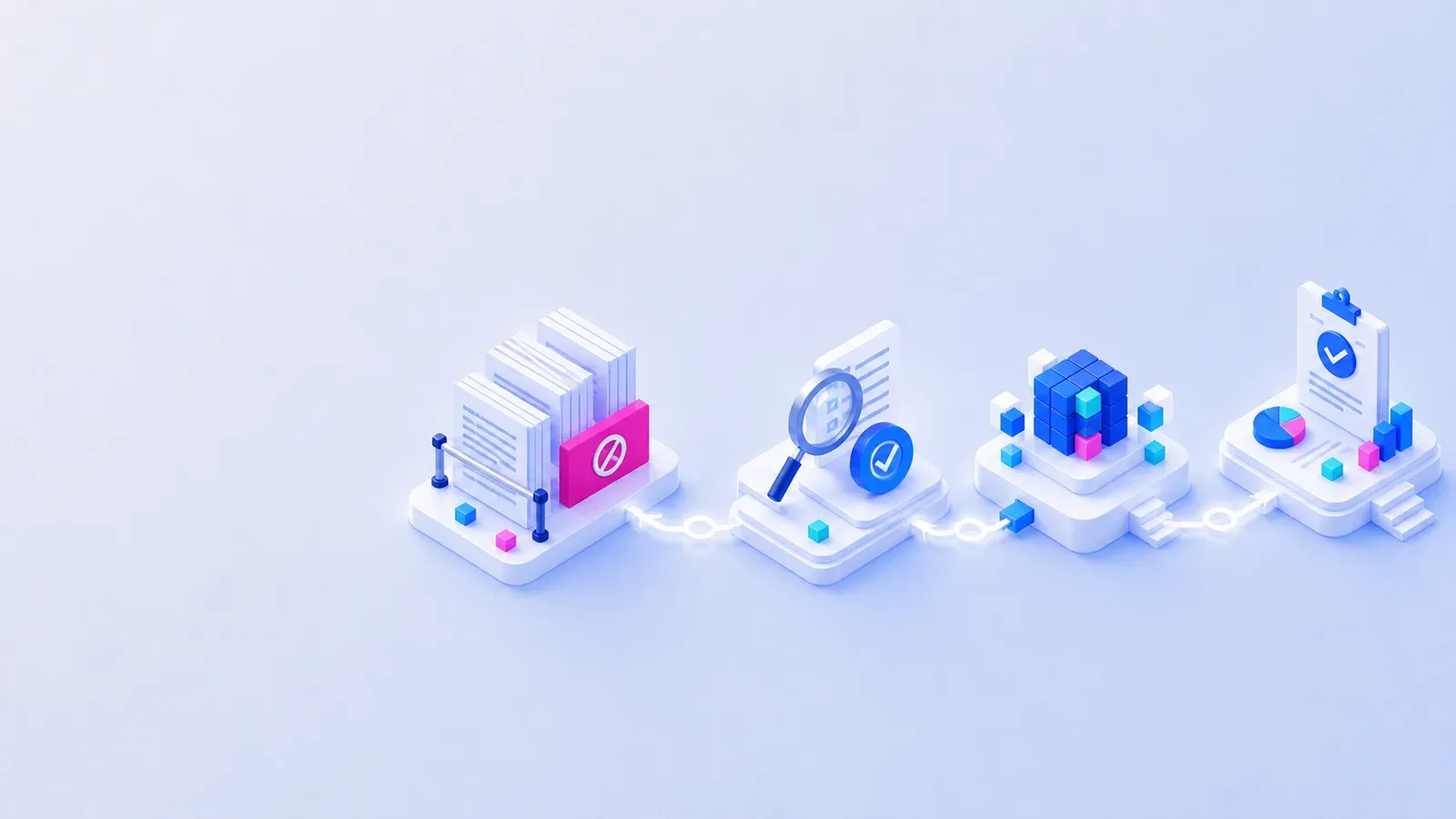
Solution roadmap
BUSINESS OUTCOMES
What should change after delivery?
Success is measured in operational change, not technical delivery.
Finance
Reliable posting, controlled close, traceable transactions, cash visibility, compliance and management reporting.
Operations
Connected demand, supply, stock, warehouse, production, projects, service and fulfilment.
Customer
Shared sales and service context, consistent commitments and connected commercial information.
Decision
Governed definitions, timely analytics, explainable forecasts and AI grounded in enterprise data.
Technology
Secure identity, supportable integration, observable platforms and lower operational fragility.
People
Clear responsibility, role-based work, practical training and less reliance on hidden spreadsheet knowledge.
DELIVERY LIFECYCLE
Assess → Implement → Extend → Secure → Integrate → Modernise
Six stages, each producing a decision, a deliverable and an owner.
How we helpProcess scope, controls, data, integrations, readiness and roadmap.
Configuration, migration, testing, training and production transition.
Reports, apps, APIs, workflows and agents with architectural control.
Identity, roles, data protection, backup, monitoring and compliance.
Business events, APIs, data products and cross-platform workflows.
Adoption, optimisation, automation, analytics and continuous AI value.
CONNECTED CAPABILITY
Every solution hooks into Academy and Talents Gateway
See how the platform will be operated before go-live, not after.
Technology architecture
See how Business Central, Dynamics 365, Fabric, Power BI, Azure, Microsoft 365 and AI platforms fit together.
ExploreAcademy pathways
Map users, platform owners, consultants and technical specialists to structured capability programs.
ExploreTalents Gateway
Define the specialist roles, evidence and engagement model required to deliver or sustain the solution.
ExploreBEFORE YOU COMMIT
The questions that come up first
How does INFOC decide what to implement first?
By finding the constraint, which is rarely the thing the request names. A client asking for a dashboard usually has a data ownership problem; a client asking for AI usually has a permissions problem. The assessment starts with the operating outcome and works back to the platform, so the sequence is defensible rather than convenient.
Can INFOC improve an existing Microsoft environment?
Yes, and it is often better value than a rebuild. The assessment covers process fit, extensions, integrations, data quality, security posture, adoption and supportability. Where the existing build is sound we say so, including when that means a smaller engagement than you expected.
How are AI opportunities governed?
Each use case names its approved data, its identity model, the tools it may call, how it is evaluated, who approves exceptions and who owns the result in production. If those cannot be answered, the use case is not ready, and that is a cheaper thing to discover before the build than after.
Do you work with organisations that are not on Microsoft today?
Yes. Migration from another ERP, another cloud or a set of spreadsheets is a large part of the work. We will also tell you when moving is not worth it, because a stable system that fits the operation is more valuable than a modern one that does not.
How do you price an engagement?
Assessments are fixed scope and fixed fee, so you know what you are buying before you commit to a programme. Implementation is priced against the scope the assessment produced, in waves, so cost tracks decisions you have already seen rather than an estimate made before anyone opened the system.
What size of organisation do you work with?
Mostly mid-market operations across the region, where one team has to run finance, operations and technology without a large internal IT function. That shapes the method: standard first, extension only where it earns its place, and a handover that leaves the client able to operate the platform themselves.
START THE CONVERSATION
Talk to a consultant
A consultant reads the constraint before replying, so the first conversation starts from your operation.